When a house in Mesa floods, the work is not only about drying and tearing out. The materials you choose for replacement determine how long the repair holds, how mold-resistant the room will be, and how much you will spend in five years. I have supervised dozens of residential repairs in the Valley and learned that small material decisions—type of drywall, floor underlayment, fasteners—drive long-term outcomes more than the labor technique. This article walks through practical selection criteria, real trade-offs, and examples that fit Mesa’s climate and common damage scenarios. References to Water 24/7 water damage restoration near me Damage Restoration Mesa AZ and Bloque Restoration are included where they clarify local practice.
Why materials matter in Mesa
Mesa sees hot, dry summers and monsoon seasons that can deliver sudden, heavy rain. Buildings here face a cycle: long periods of low humidity followed by brief spikes during storms. That pattern accelerates failure in materials that trap moisture or swell and shrink with humidity. For water damage restoration in Mesa AZ, you need materials that resist moisture intrusion, dry quickly, and tolerate repeated thermal expansion. The right material choices reduce callbacks, lower mold risk, and restore the home faster.
Start with assessment, not shopping
Before picking materials, assess the job with a realistic eye. A clean water event from a broken supply line differs from a Category 3 sewage or flood situation. I once saw a kitchen restoration where the owner wanted to reuse the original subfloor after a dishwasher leak. A moisture meter quickly showed elevated moisture content under the laminate. Reusing the subfloor would have trapped moisture beneath the flooring, producing mold and a second remediation in under a year. The inspection should document source, contamination level, duration of exposure, and structural damage. That informs whether you need mold-inhibiting materials or simply fast-drying replacements.
Key properties to prioritize
Think of materials as solving three problems: moisture tolerance, compatibility with local climate, and speed of restoration. Prioritize materials that:
- resist water absorption and biological growth, allow moisture to escape rather than trap it, perform under thermal cycling and UV exposure where relevant, fit within the recovery timeline and insurance scope.
Materials that look good on the spec sheet but trap water—like some laminates or improperly installed waterproofing—create long-term liability.
Walls and finishes: choosing drywall and alternatives
Standard gypsum drywall fails when it absorbs sustained moisture. For areas that saw prolonged exposure or where humidity will rise again during monsoon season, use green board only if water exposure was brief and clean. For any visible contamination, Category 2 or 3 loss, or unknown duration, opt for one of these approaches.
Fiberglass-faced gypsum sheathing is a better option in wet-prone areas because the fiberglass surface resists water absorption and mold compared with paper-faced drywall. Cement board or fiber cement panels perform well behind tile or where repeated wetting is possible, such as mudrooms or ground-level bathrooms. Closed-cell foam board insulation combined with appropriate sheathing can provide both thermal performance and a vapor-resistant barrier, but it must be installed to allow drying toward the interior or exterior as engineered.
A renovation I managed after a slow attic leak used mold-resistant cement board in the affected bathroom, but we left adjacent closet drywall intact after confirming moisture content below 12 percent. The selective approach saved the homeowner about 20 percent of the repair budget without increasing risk.
Floors: subfloor, underlayment, and finish choices
Floors are a frequent source of headaches. Plywood or OSB subflooring that soaks for more than 48 hours may delaminate or swell. Plywood generally outperforms OSB in repeated wet-dry cycles because of its cross-laminated construction, so when replacing subfloors in Mesa, choose exterior grade plywood for longevity.
Underlayment materials depend on the finish. For tile installations in wet zones, use a cement backer board or a bonded waterproof membrane. When installing vinyl plank or laminate in areas with potential moisture, select products designed for wet installations. Waterproof vinyl plank with a solid polymer core can be a good choice, because it tolerates moisture at the seam better than traditional laminate. However, any floating floor system can trap moisture beneath its surface if the subfloor is not dry. Always confirm subfloor moisture content under the manufacturer’s recommended threshold before installing finish flooring.
For concrete slabs that experienced capillary rise or slab saturation, consider a vapor mitigation system if moisture emission rates remain elevated. Simple sealing can work short term, but a formal vapor barrier addresses drives that can otherwise warp new flooring.
Insulation and cavity materials
Insulation that gets wet presents two issues: loss of thermal performance and prolonged moisture retention. Fiberglass batts dry slowly and hold water against framing, prolonging drying time and increasing mold risk. Closed-cell spray foam mitigates those problems because it repels bulk water and reduces air movement that carries moisture. That said, spray foam complicates future repairs and can obscure leaks; it also requires licensed installation and higher upfront cost.
After a pipe burst in a utility wall, we removed wet batts entirely and used closed-cell spray foam in sections where repeated water exposure was likely, such as near water heaters. In less risky cavities we allowed for drying and replaced with formaldehyde-free fiberglass batts, installed with a thin gap to promote airflow and future drying. The blended approach balanced budget and performance.
Fasteners, adhesives, and sealants
Small components matter. Use stainless steel or hot-dipped galvanized screws and fasteners in areas that will remain damp or are subject to occasional moisture. Standard steel screws will corrode, stain finishes, and loosen over time. For bonding materials to damp porous substrates, choose adhesives rated for wet conditions. For example, use a polymer-modified thinset for tile installations over a slab with a history of moisture, rather than standard mastic. Select caulks with a proven track record for mildew resistance in humid conditions.
Doors and trim
Wood trim and hollow-core doors absorb moisture and swell. When replacing trim in areas that saw water, use primed MDF only if exposure was minimal. For higher risk areas, use PVC trim or cellular PVC; those materials look like painted wood, resist water, and maintain shape. Solid wood doors at entry points that receive monsoon-driven rain benefit from marine-grade sealants and paint, or switch to prefinished fiberglass doors for better long-term stability.
Mold resistance versus mold prevention
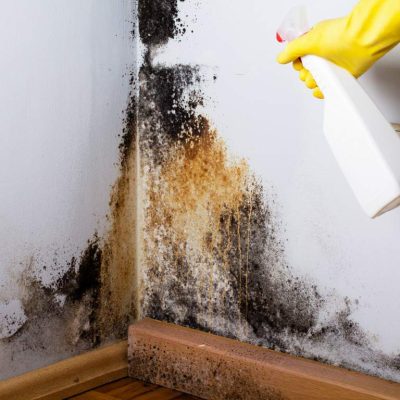
I prefer materials that actively reduce mold risk: cementitious backer boards, closed-cell insulation, painted metal studs in extreme cases. But remember, materials cannot substitute for drying and proper vapor management. Installing mold-resistant drywall in a wall that remains damp because of a hidden leak only delays the problem. Materials that permit drying are often the best choice. For example, using furring strips and a ventilated rain-screen assembly on an exterior wall lets moisture escape from the cladding system. That ventilation strategy is just as important as choosing a water-resistant sheathing product.
When contamination is present
If the water event included sewage or flood waters, assume significant contamination and choose materials accordingly. Porous materials like drywall, carpet, and insulation should typically be removed and replaced. Nonporous surfaces can often be cleaned and disinfected. In these cases, use replacements that minimize porous surfaces in wet-risk zones: tile, cement board, closed-cell flooring, and sealed concrete.
A homeowner in east Mesa experienced sewer backup to 18 inches in a laundry room. We removed drywall and insulation up to the level of the flood, replaced the cavity with closed-cell spray foam in the lower zone to block future intrusion, and installed tile with a waterproof membrane. That approach minimized future porous materials at risk while staying within the homeowner’s insurance restoration scope.
Exterior materials and flashings
Exterior failures allow repeated internal moisture problems. Choose flashing and sealants rated for local UV and heat exposure. EPDM and modified bitumen roofing materials can perform well under intense sun, but details at penetrations matter. For stucco-clad homes, ensure proper weep screeds and that weep holes at bottom plates remain clear. Use rot-resistant framing elements where repetitive water exposure is possible.
Budgeting and insurance realities
Insurance adjusters often prefer like-for-like replacements, but some upgrades can be negotiated if they reduce risk or lower future claims. Keep detailed documentation—measurements, moisture maps, lab results if samples were taken—to justify more durable material choices such as cement board instead of greenboard. Cost differences can be significant: choosing closed-cell spray foam instead of fiberglass batts might add 30 to 60 percent to the insulation line item, but it often reduces callbacks and energy loss.
Practical checklist for material selection
Use this short checklist on site before ordering materials. It forces you to connect assessment to selection.
- Confirm contamination level and exposure duration. Measure substrate moisture and compare to manufacturer thresholds. Select materials that allow drying direction, not trap moisture. Choose corrosion-resistant fasteners and mildew-resistant sealants. Prioritize nonporous or easily cleaned materials in flood-prone zones.
Installation details that change performance
The same product behaves differently depending on installation. A waterproof vinyl plank installed over a wet concrete slab will fail faster than a cheaper tile installed over a dry slab. Tight seams, manufacturer-recommended adhesives, and proper expansion gaps matter. For example, vinyl plank flooring requires edge clearance to expand in Mesa’s temperature swings. If you clamp it under cabinetry without the proper gap, the seams will buckle during summer heat.
Another frequent oversight is failing to reinstall a vapor retarder where one existed. Removing wet wall assemblies should include planning for vapor balance. If you introduce a high perm material on one side of an assembly without correcting the other side, you can create trapped moisture.
Trade-offs and judgment calls
No material is perfect. Cement board resists moisture but is heavier and costs more to install than gypsum. Closed-cell spray foam repels water and provides insulation but hides the wall cavity and increases project cost. PVC trim resists rot but can expand more than wood with heat, so allowances at joints are necessary. Make choices in context: prioritize durability in high-risk areas like laundry rooms, water heater closets, and ground-floor bathrooms; accept lower-cost materials where exposure was limited and confirmed by moisture readings.
Local sourcing and contractor familiarity
Work with contractors and suppliers who understand Mesa’s specific issues. Some national products perform differently when freight and storage expose them to high heat before installation. Local firms like Bloque Restoration and other Water Damage Restoration Mesa AZ specialists know which brands stand up in the Valley and how to handle monsoon-season repairs. Ask tradespeople for examples of previous Mesa restorations and inspect past work if possible.
Examples from the field
A century-old bungalow in Mesa had a slab leak that sat under the kitchen island for three days. The homeowner wanted to keep the original oak floors. After drying tests showed moisture trapped in the tongue-and-groove joints, we recommended replacing the affected subfloor and installing a waterproof vinyl plank that visually matched oak. The client accepted a compromise: reclaimed oak in the living area where moisture had not reached, and waterproof planks in the kitchen. The mixed-material approach preserved character without risking future damage.
In another case, a new build faced repeated condensation issues at interior bedroom walls because the contractor installed unfaced fiberglass batts against a cool exterior sheathing without a ventilated cavity. Replacing the cavity with a thin drainage plane and installing a ventilated rain screen corrected the problem, with minimal replacement of finished surfaces. The lesson: sometimes the right fix is a construction detail, not a material swap.
Maintenance and homeowner education
The best material choices still need basic maintenance. Teach homeowners to watch for recurring stains, musty odors, or soft spots in flooring. Simple interventions, such as clearing weep screeds, keeping gutters functional, and maintaining proper grading around the house, prevent most repeat infiltration. For homes where materials like closed-cell foam hide the framing, recommend periodic professional inspections to detect hidden leaks early.
Final decision framework
When deciding which materials to use for Water Damage Restoration Mesa AZ repairs, follow this framework on each element of the job: assess contamination and exposure, test moisture, pick a material that promotes drying and resists biological growth, ensure installation details protect against local climate stressors, and budget for durable choices where failure carries the highest cost. Keep documentation for insurance discussions and prefer contractors who have local experience, such as those familiar with Bloque Restoration projects.
Choosing materials is a balance of technical performance, cost, and long-term risk. Make the choice that reduces the chance of repeat work, not the one that merely looks cheaper on paper today. With careful assessment, measured trade-offs, and local knowledge, you can restore a Mesa home to a condition that withstands monsoon season and heat cycles without becoming a future claim.
Bloque Restoration
1455 E University Dr, Mesa, AZ 85203, United States
+1 480-242-8084
[email protected]
Website: https://bloquerestoration.com